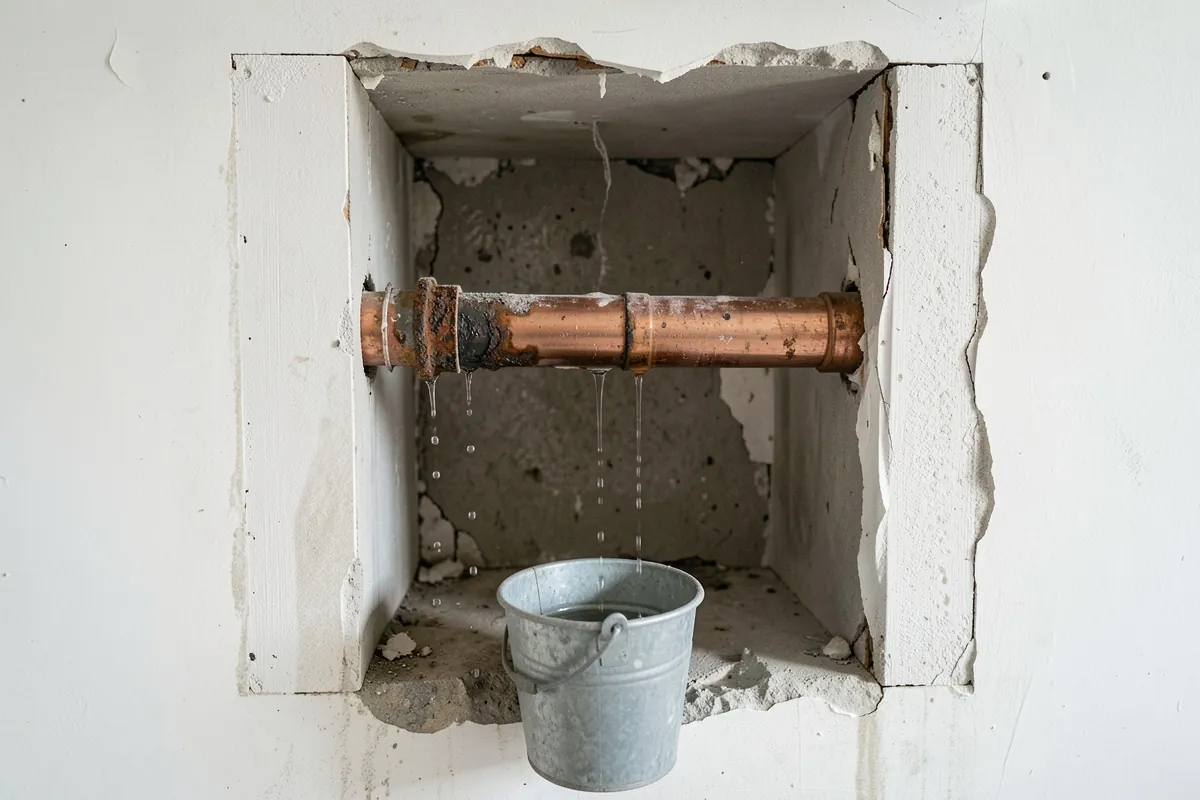
Key takeaways
- A frozen pipe is a warning; a split pipe is the emergency.
- Exterior walls, crawl spaces, garages and attic runs freeze first in Oregon homes.
- Thaw with warm air, never an open flame, and open a faucet before you start.
- If a line has split, shut off the main supply and call for extraction before the thaw finishes.
- Mold can begin on wet framing within 24 to 48 hours, so drying cannot wait for the weekend.
Why Oregon Pipes Freeze So Easily
Oregon does not need a deep, week-long cold snap to split a pipe. A night or two near 20°F is enough, especially when it follows a wet stretch and the wind is pulling heat out of exterior walls. The state's housing stock makes it worse. Older homes in Portland, Salem, Eugene and Astoria often have supply lines running through unheated crawl spaces, garages and cabinets on exterior walls. Those runs were acceptable when the house was built, but they have little margin when the temperature drops.
The freeze itself is not the expensive part. Water expands as it turns to ice, and the pressure has to go somewhere. A copper joint can split, a plastic fitting can crack, or a section of pipe can bulge without leaking yet. When the thaw arrives, the ice plug melts and water finds the split. That is why so many burst-pipe calls come in on the first mild morning after a freeze, not during the coldest night.
Vacant homes, rentals between tenants, and houses where the thermostat is set low to save energy carry the most risk. So do homes with hose bibs left connected, sprinkler lines that were not blown out, and crawl space ducts that leak warm air away from the plumbing.
Where Pipes Freeze First in an Oregon Home
- Exterior walls: kitchen and bathroom cabinets, laundry rooms and any sink backed onto an outside wall.
- Crawl spaces: supply lines, hose bibs and well lines that run beneath the floor with little insulation.
- Garages: water heaters, utility sinks and lines serving a laundry or mud room.
- Attics and roof spaces: runs to evaporative coolers, hose bibs or added bathrooms.
- Outdoor fixtures: hose bibs, irrigation lines and pool or spa equipment.
Wind matters as much as temperature. A 25°F night with a 20 mph wind can pull far more heat from an exterior wall than a still night at the same temperature. That is why a pipe that survived last winter can fail this year without any change to the plumbing.
Water running inside a wall?
Shut off the main supply if you can reach it safely, then call (833) 781-1831. A live dispatcher can route an extraction crew for Oregon addresses, day or night.
Signs a Pipe Is Frozen, Not Yet Burst
A frozen line often gives warning before it splits. The most common sign is a fixture that produces nothing or only a trickle when you open the tap. Other clues include frost on a visible pipe, condensation on a wall, a faint hissing sound, or a water meter that moves when every fixture is closed.
Do not assume a pipe is fine because water still runs elsewhere. In a branched system, one leg can freeze while the rest of the house works normally. If a tap is dead, treat that line as frozen and act before the next overnight drop.
How to Thaw a Frozen Pipe Safely
- Open the faucet first. As the ice melts, water needs somewhere to go. A closed tap traps pressure in the line.
- Find the frozen section. Work backward from the fixture toward the supply. Frost, condensation or a cold spot on the wall points to the blockage.
- Use warm air, not flame. A hair dryer, a space heater kept away from water, or towels soaked in warm water are safe choices. Never use a blowtorch, charcoal, or a heat gun on high.
- Work slowly from the faucet end. Heating the middle of a frozen run can create a pressure pocket between two ice plugs.
- Stop if water appears where it should not. A split line can release water as soon as the ice clears. Shut off the main supply and call for extraction.
If you cannot reach the frozen section, or if the pipe is inside a wall or crawl space, do not open the wall yourself. A restoration provider can use thermal imaging to locate the freeze and dry the cavity if it has already leaked.
If a Pipe Has Burst: The First Ten Minutes
Shut off the main water valve. In most Oregon homes it is where the supply enters the house, often in a basement, crawl space, garage or utility closet. If you cannot reach it without stepping through water, stay out and tell the dispatcher when you call. Water near outlets, a furnace or a panel is an electrical hazard, not a cleanup task.
Once the supply is off, open the lowest faucet in the house to drain residual water. Move what you can lift off the floor, but do not wade through contaminated water or move electrical equipment. Photograph the source, the water line and every affected room before cleanup begins. Those images connect the cause to the damage when an insurance claim is filed.
Then call for extraction. The water that is visible is only part of the loss. It travels along joists, into insulation and behind baseboards, and the longer it sits, the more material has to be removed rather than dried.
What Professional Drying Adds
A wet-vac and a box fan can remove surface water, but they cannot dry a wall cavity or a subfloor assembly. A restoration crew uses extraction equipment, moisture meters and thermal imaging to map where the water went, then sets air movers and dehumidifiers to dry the structure to a measured standard. Readings are taken in the same locations each day until the numbers match a dry baseline.
That process matters in western Oregon, where outdoor humidity stays high through the wet season. Opening windows can make a wet wall wetter. Dehumidification and containment are what actually pull moisture out of the assembly. Drying typically takes three to five days for a clean residential loss, longer when a crawl space or saturated insulation is involved.
Preventing the Next Freeze
- Insulate every supply line that runs through a crawl space, garage or exterior wall.
- Seal gaps around pipes where cold air enters, especially at rim joists and sill plates.
- Disconnect garden hoses and shut off outdoor spigots before the first hard freeze.
- Keep the thermostat at a minimum overnight instead of turning heat off.
- Open cabinet doors on exterior walls so room air reaches the plumbing.
- Have someone check a vacant property every few days during a cold snap.
- Know where the main shutoff is and test it before you need it.
If a freeze is forecast, a slow drip at the farthest fixture can keep water moving through an exposed line. It is not a substitute for insulation, but it buys margin on the coldest night. A battery-powered leak alarm under the water heater and behind the washing machine is inexpensive insurance against the leak you cannot see.
Frequently asked questions
At what temperature do Oregon pipes freeze?
Most unprotected supply lines begin to freeze when the temperature stays around 20°F or below for several hours. Wind, poor insulation and an unheated crawl space can push that risk higher, and a short overnight dip is enough for an exposed line.
Should I leave a faucet dripping during a freeze?
A slow drip at the fixture farthest from the supply can keep water moving through an exposed line and relieve pressure if ice begins to form. It helps most on exterior walls and in crawl spaces, but it does not replace insulation or heat.
How do I know whether a pipe is frozen or the water is off?
Check with a neighbor or the utility first. If supply is normal elsewhere and one fixture is dead, the branch serving it is probably frozen. Frost, condensation or a cold wall section near that fixture supports the diagnosis.
Can I thaw a frozen pipe with a hair dryer?
Yes, if the pipe is visible and reachable. Use warm air, keep the dryer away from standing water, and work from the faucet end toward the supply. Never use an open flame or a high-output heater near plumbing.
Does insurance cover a burst pipe in Oregon?
Sudden and accidental discharge from a burst supply line is commonly covered by a standard homeowners policy. Long-term seepage, poor maintenance and ground-up flooding are usually treated differently. Document the cause, the timing and the affected area before cleanup.
Water where it should not be?
Call (833) 781-1831 and describe what you are seeing. The line is answered by real people 24 hours a day, and we connect Oregon homeowners with independent local restoration providers.